Manufacturing and Logistics IT That Holds Up

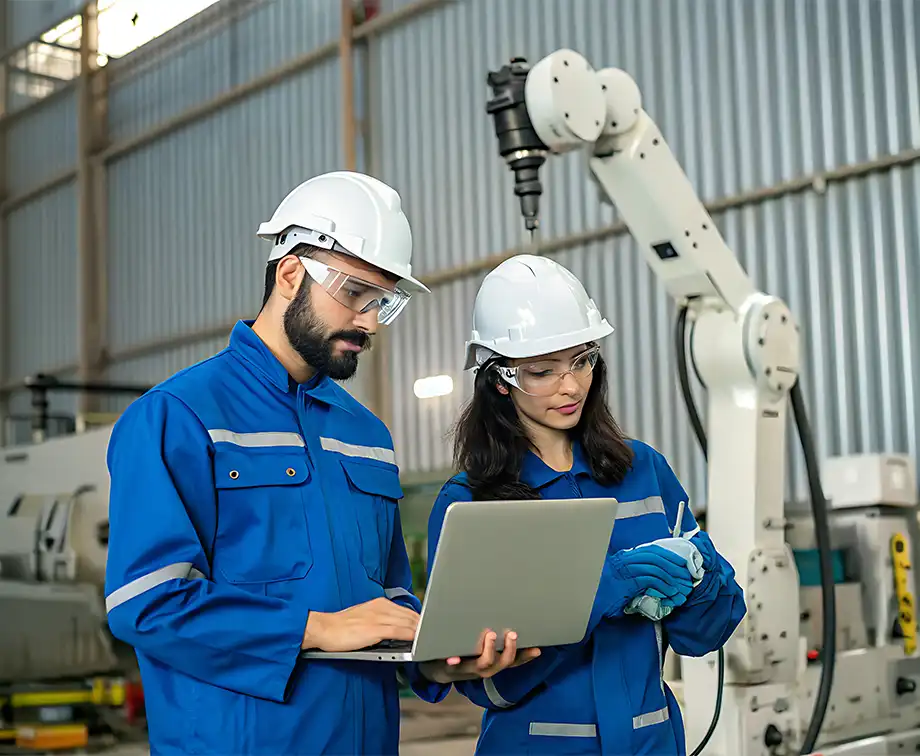
We work with manufacturers to design IT services for manufacturing that support plant operations, planning, and reporting without forcing risky, all-at-once changes to critical systems.

Overview

How We Support Operations

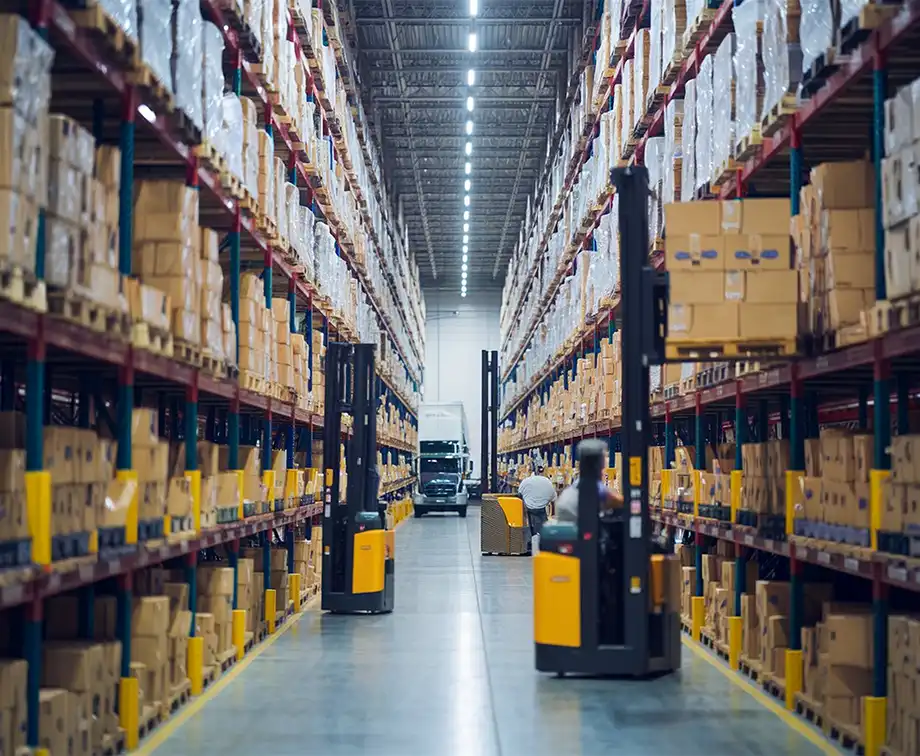
Our IT services for logistics help teams coordinate warehouses, carriers, and systems so orders move predictably, exceptions are visible, and staff rely less on workarounds.

For Designer: SAP, Oracle, AWS, Microsoft Azure, Snowflake, Databricks, Siemens, ServiceNow, MuleSoft, Power BI

Core Offerings

What We Build for Operations

We plan IT services for manufacturing and IT services for logistics together, so production and distribution systems support each other instead of creating conflicting priorities.

Plant and Production Systems
1
On the manufacturing side, we shape IT services for manufacturing around production constraints, covering scheduling, quality records, and equipment data without drowning teams in features.
Logistics and Distribution Flows
2
For logistics operations, we design IT services for logistics and logistics IT services that connect orders, routes, and tasks so teams spot problems before delays.
Planning, Inventory, and Materials
3
Through managed IT services for manufacturing, we support planning, inventory, and materials systems, helping plants respond to demand changes without spreadsheet work and last-minute changes.
Support for Logistics Teams
4
Our managed IT services for logistics teams cover incident handling, release planning, and enhancements, so warehouse and transport operations can keep moving while systems improve.

Where Operations Usually Strain

In many plants, IT services for manufacturing grew around urgent needs; over time, that creates fragile links, manual steps, and reports nobody fully trusts anymore.

Information That Moves Slowly
Production, maintenance, and quality data often live in separate tools; we help connect them so teams see issues instead of hearing about them days later.
Logistics Under Constant Pressure
On the logistics side, IT services for logistics may involve carriers and partners; we focus on the points where delays, updates, or confusion keep appearing.

Why Manufacturers and Logistics Teams Call

Leaders reach out when they want technology changes explained clearly, tradeoffs written, and delivery paced so plants and logistics operations can keep running during projects.

Respect for Everyday Work
We do our best to understand how shifts, routes, and maintenance windows actually run before suggesting changes, so plans feel practical rather than theoretical only.
Clear View of Tradeoffs
We describe options in plain language, including what might break, what will improve, and who must be involved, so leaders are not surprised later on.
Support for Internal Teams
We treat internal teams as partners, not obstacles, and look for ways to make their work easier instead of adding more tools or extra reporting.
Steady, Documented Delivery
We write down assumptions, designs, and operating notes, so when project work ends, your teams are not left guessing how systems were meant to behave.
Case Snapshot

Plants and Warehouses Together

A manufacturer and distribution group asked us to focus on outages in one plant and delays in a nearby warehouse. After improving monitoring, integrations, and release practices, unplanned downtime dropped, and staff spent less time chasing missing or inconsistent order updates.


Frequently Asked Questions

Our plant still runs on spreadsheets and emails. Is it too early to talk about IT?
No. That is usually where most people start. We look at the sheets and emails you already use and decide what can be improved step by step.
We have different systems in every plant and warehouse. Can you still help?
Yes. First, we map what each site uses and how they share information today. Then we focus on the biggest gaps instead of trying to change everything.
Will new systems slow down production or shipping while they are being set up?
That is what we try to avoid. We plan work around shifts, maintenance windows, and busy periods so changes feel gradual, not sudden.
We do not have clear documentation. Is that a problem?
It is common. We speak with the people who run the work, note how things really happen, and build simple diagrams and notes from there.
How much time will our team need to give during a project?
Usually, we need short, focused conversations with a few key people. We try to keep their time limited and predictable, not constant.
Can we start with one plant or warehouse before changing others?
Yes. Many companies begin with a single site, learn what works, and then apply that approach to other locations at a pace they can handle.

Stabilize and Modernize Industrial Systems

Share your production systems, supply-chain bottlenecks, warehouse platforms, and reporting gaps. We will review the details and recommend structured improvement phases.